Animais de Produção e Saúde Pública
Lawrie's Meat Science
De: Fidel Toldra
ISBN: 9780323854085
2022, Elsevier
Capa dura
Páginas: 890
Animais de Produção e Saúde Pública
De: Fidel Toldra
ISBN: 9780323854085
2022, Elsevier
Capa dura
Páginas: 890
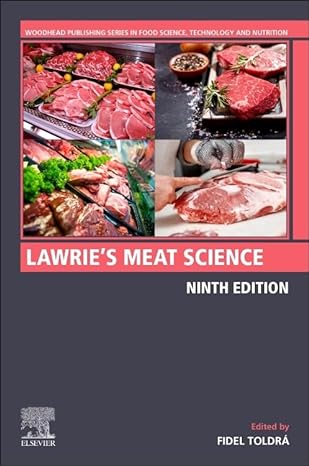
Lawries’ Meat Science, Ninth Edition continues to be a classic reference in the meat world. It has been used by numerous generations of meat professionals since its first edition in 1966. The new edition brings four new chapters and updated information related to the latest advances in meat animals breeding and technologies for meat preservation, processing, and packaging. In addition, new relevant aspects of nutritional value, quality and safety of meat as well as methodologies for authenticity and traceability are provided with a compilation of chapters written by a select group of the most experienced and knowledgeable people in the meat field. This book covers essential information and latest advances and developments, from the initial meat animal’s growth and development to the time of slaughter and to the processing technologies, packaging and distribution till consumption of its meat. Relevant aspects of its composition, nutritional value, eating quality, consumer acceptance, safety and sustainability issues are also covered.
Key features
Cover image
Title page
Table of Contents
Copyright
Contributors
Preface
Chapter 1: Introduction
Abstract
1.1: Meat and muscle
1.2: Meat from other animals
1.3: Domestication of livestock
1.4: Trends and developments
1.5: Conclusions and future trends
References
Chapter 2: Factors influencing the growth of meat animals
Abstract
2.1: Introduction
2.2: Measurement of growth and body/carcass composition
2.3: Animal influences on growth of farm animals
2.4: Nonanimal influences on growth of farm animals
2.5: Interactions between animal and nonanimal influences on growth of farm animals
2.6: Future developments
References
Chapter 3: The structure and growth of muscle
Abstract
3.1: Introduction
3.2: The hierarchy of structures relevant to meat: From macroscopic to molecular
3.3: Muscle development and growth
3.4: Conclusions and future trends
References
Chapter 4: Chemical and biochemical constitution of muscle
Abstract
4.1: General chemical aspects
4.2: Biochemical aspects
4.3: Factors affecting muscle function with possible consequences on meat quality
4.4: Conclusion and future trends
References
Chapter 5: The conversion of muscle to meat
Abstract
5.1: Introduction
5.2: Rigor mortis
5.3: Postmortem metabolism
5.4: Factors controlling the rate of postmortem metabolism
5.5: Factors controlling the extent of postmortem metabolism
5.6: Abnormal postmortem metabolism
5.7: Presalughter stress
5.8: Development of meat quality attributes
5.9: Postmortem handling and meat quality
5.10: Aging and proteolysis
5.11: Conclusions
References
Chapter 6: Meat microbiology and spoilage
Abstract
6.1: Introduction
6.2: Recent advances in meat microbiology and identification of the main bacterial species involved in spoilage
6.3: The main microbial contaminants of meat involved in spoilage
6.4: Devices for bacterial spoilage monitoring
6.5: Major spoilage manifestations
6.6: Conclusion
References
Chapter 7: The storage and preservation of meat: I—Thermal technologies
Abstract
7.1: Introduction
7.2: Chilling
7.3: Freezing
7.4: Heating
7.5: Novel thermal procedures
7.6: Future trends
References
Chapter 8: The storage and preservation of meat: II—Nonthermal technologies
Abstract
8.1: Introduction
8.2: Ionizing radiation
8.3: High pressure
8.4: Freeze dehydration
References
Further reading
Chapter 9: The storage and preservation of meat. III—Meat processing
Abstract
9.1: Introduction
9.2: Curing
9.3: Fermentation
9.4: Dehydration
9.5: Smoking
9.6: Processing technologies for cured meat products
9.7: Conclusions and future trends
References
Chapter 10: The storage and preservation of meat: Storage and packaging
Abstract
10.1: Introduction
10.2: Impact of microbiology on fresh meat quality attributes
10.3: Common technologies used to preserve fresh meat products and assist in a combined manner to extend product shelf life
10.4: Packaging materials used for fresh meat and muscle-based products
10.5: Smart and intelligent packaging systems
10.6: Conclusions
References
Relevant websites
Chapter 11: The eating quality of meat: I Color
Abstract
11.1: Introduction
11.2: Myoglobin concentration
11.3: Myoglobin structure
11.4: Color phenomena in fresh meat
11.5: Color in cooked nitrite-cured and salted uncooked meats
11.6: Cooked meat color
11.7: Anomalies in meat color
11.8: Measuring meat color
11.9: Summary statement
References
Further reading
Chapter 12: The eating quality of meat: II—Tenderness
Abstract
12.1: Introduction
12.2: Measuring tenderness
12.3: Conclusions and future trends
References
Chapter 13: The eating quality of meat: III—Flavor
Abstract
13.1: Aroma and taste compounds
13.2: Volatile compounds generation reactions
13.3: Methodology for meat aroma volatile identification
13.4: Pre- and postslaughter factors affecting aroma
13.5: Off-flavors
13.6: Meat product flavor
13.7: Conclusions and future trends
References
Chapter 14: The eating quality of meat: IV—Water holding capacity and juiciness
Abstract
14.1: Introduction
14.2: Definition of water-holding capacity and juiciness
14.3: Structural influences on the WHC of uncooked, cooked, and processed meat
14.4: Factors influencing WHC in raw muscle
14.5: Changes in WHC during cooking of raw meat
14.6: Juiciness: Influencing factors and interactions with WHC
14.7: Factors influencing WBC of meat products
14.8: Methods to measure WHC and juiciness
14.9: Conclusions and future trends
References
Further reading
Chapter 15: The eating quality of meat: V Sensory evaluation of meat
Abstract
15.1: Introduction
15.2: Why sensory evaluation of meat is unique
15.3: Overview of how sensory is perceived and defining sensory attributes
15.4: Sensory controls for meat
15.5: Sensory techniques
15.6: Emerging or underutilized sensory techniques
15.7: Conclusions
References
Chapter 16: Meat safety—I Foodborne pathogens and other biological issues
Abstract
16.1: Introduction
16.2: Biological meatborne hazards: Prevalence, transmission, and foodborne disease surveillance
16.3: Meatborne bacterial pathogens and toxins
16.4: Meatborne viruses
16.5: Meatborne parasites
16.6: Other biological issues
16.7: Current and future challenges to biological meat safety
16.8: Concluding remarks and outlook
References
Chapter 17: Meat safety: II Residues and contaminants
Abstract
17.1: Introduction
17.2: Chemical contaminants and residues
17.3: Risk assessment
17.4: Analytical methods
17.5: Future trends and perspectives
References
Chapter 18: Meat authenticity and traceability
Abstract
18.1: General overview
18.2: Intrinsic characteristics of the meat
18.3: Extrinsic characteristics of the meat
18.4: Conclusions and future trends
References
Chapter 19: Meat composition and nutritional value
Abstract
19.1: Introduction
19.2: Global meat production and consumption
19.3: Composition of meat. Roles of nutrients in metabolism and recommended intakes
19.4: Meat as part of a healthy diet
19.5: Effects of cooking on nutrients in meat
19.6: Conclusions
References
Chapter 20: Meat and health
Abstract
20.1: Introduction: Nutrients supplied from meat
20.2: Meat in healthy nutrition and diet
20.3: Recommended meat intakes
20.4: Functional muscle foods
20.5: Problematics with toxins and residues
20.6: Conclusions
References
Chapter 21: Sustainability I: Edible by-products
Abstract
21.1: Introduction
21.2: Main co-products
21.3: Nutritional value of co-products
21.4: Products resulting from co-products
21.5: Added value products obtained from co-products
21.6: Conclusions and future trends
References
Chapter 22: Sustainability II: Sustainable animal production and meat processing
Abstract
Acknowledgment
22.1: Introduction
22.2: Types of animal production systems around the world
22.3: What is sustainable animal production?
22.4: Why it is necessary to maintain sustainable animal production?
22.5: Some practices of sustainable animal production systems
22.6: Other technologies or strategies to improve sustainability of animal production
22.7: Meat processing
22.8: Benefits of sustainable animal production and meat processing
22.9: Future opportunities and perspectives
22.10: Conclusions
References
Chapter 23: Future meat market
Abstract
23.1: Introduction
23.2: Trends in plant-protein-based meat analogs
23.3: Trends in insect proteins to be used in meat products
23.4: Cell-cultured meat and future market opportunities
23.5: Trends in organic meat products
23.6: Pandemic planning for the meat industry
23.7: Conclusion and remarks
References
Index
Fidel Toldra
Prof. Fidel Toldrá is Research Professor at the Instituto de Agrpquimica y Tecnologia de Alimentos, CSIC in Valencia (Spain) where he leaders the group on Protein Foods. He was a Fulbright postdoctoral scholar at Purdue University (West Lafayette, Indiana, 1985-86) and visiting scientist at the University of Wisconsin (Madison, Wisconsin, 1991 and 1995), and the Institute of Food Research (Bristol, UK, 1987). He is Editor-in-Chief of Trends in Food Science & Technology, Associate Editor of Meat Science and Editor of book serial Advances in Food and Nutrition Research. He has published >365 manuscripts, with h index 74, and has filed 11 patents. He is a member of the Editorial Board of 16 scientific journals including Food Chemistry, Current Opinion in Food Science, Journal of Food Engineering, Food Analytical Methods, International Journal of Molecular Sciences, and Food Science & Human Wellness, among other. He is author of 2 books, 163 book chapters, and edited 63 books, being Editor of the 8th and 9th editions of Lawrie´s Meat Science book (Elsevier) and an Editor-in-Chief of the Encyclopedia of Food and Health (2015, Academic Press/Elsevier). He received the 2001 Institute Danone Award to the best Scientific Trajectory, 2002 International Prize for Meat Science and Technology, 2010 Distinguished Research Award, 2014 Meat Processing Award and 2023 International Lectureship Award, all 3 from the American Meat Science Association, 2015 Dupont Science Award, 2019 Innovation Award of the Spanish Association of Meat Industry and 2019 Award on Advancement of Agricultural and Food Chemistry of the American Chemical Society (ACS). He is a Fellow of the International Academy of Food Science and Technology (IAFOST), Fellow of the Institute of Food Technologists (IFT), Fellow of the Agricultural and Food Chemistry Division of the American Chemical Society and Fellow of the International Association of Advanced Materials. Prof. Toldrá served at Panels on Food Additives and on Flavorings, Enzymes, Processing aids and Food contact materials of the European Food Safety Authority (EFSA, 2003-15) and was Chairman of the Working groups on Irradiation (2009-10), Processing Aids (2011-14) and Enzymes (2010-15). In 2008-09 he joined the FAO/WHO group of experts to evaluate chlorine-based disinfectants in the processing of foods.
Affiliations and expertise
Research Professor, Instituto de Agroquimica y Tecnologia de Alimentos (CSIC), Spanish National Research Council, Paterna (Valencia), Spain